
The Short Answer: It Depends on the Burial Ground
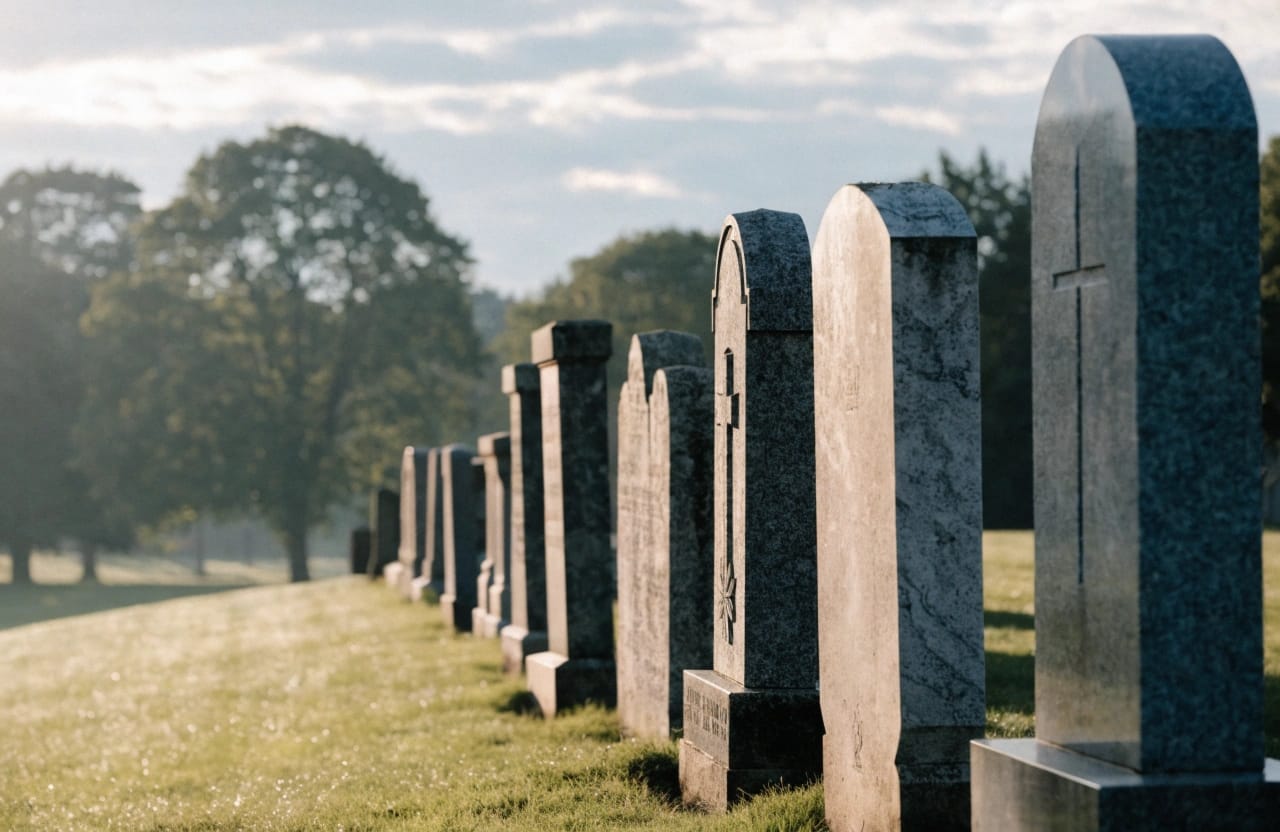
One of the most common questions families ask in the months after a burial is when they can finally commission and erect a headstone. The grave feels bare, the ground has been disturbed, and there's an understandable need to mark the resting place with something permanent and meaningful. If you're in that position, the answer is this: the timing depends on the type of burial ground, the conditions underfoot, and the rules set by the authority that manages it.
For most traditional burials in UK cemeteries, the general guidance is to wait between six and twelve months. For some modern cemeteries with specialist foundations already in place, a headstone can be erected far sooner. For cremated remains interments, the wait is usually minimal or none at all. This guide explains why the waiting period exists, how it varies, and what steps you can take right now, even if installation is still months away.
Why Does the Ground Need to Settle Before Erecting a Headstone?
When a grave is dug and a burial takes place, the earth is significantly disturbed. Soil is removed, the coffin is lowered, and the ground is then backfilled. This process leaves air pockets and loose soil throughout the grave. Over the following weeks and months, rainfall, gravity, and natural compaction work to close those air pockets and press the soil back into a stable mass. This is what memorial masons mean by ground settlement.
A headstone placed on unstable, actively settling ground is at risk of tilting forward as the soil beneath it shifts. Once a stone leans, it can be difficult and costly to straighten, and in some cases the lean continues even after correction. The foundation work required to stabilise a sunken stone is far more involved than simply waiting for the ground to settle naturally in the first place.
What affects how long settlement takes?
Not all ground settles at the same rate. Several factors influence the timeline:
- Soil type. Sandy or loamy soils tend to compact relatively quickly. Clay-heavy soils are denser and take longer to consolidate, meaning a clay-rich cemetery may enforce a longer waiting period than one with lighter ground.
- Weather and seasonal conditions. Prolonged dry weather slows compaction; sustained rainfall accelerates it. A burial in summer may settle more slowly than one during a wet autumn and winter.
- Depth and size of excavation. A full coffin burial involves a much deeper and larger disturbance than the small opening required for interring cremated ashes. This is why the waiting rules differ significantly between the two.
- Type of memorial. An upright headstone with a small footprint places its weight at a single point. A full kerb set, which covers the entire grave with stone edging and often a grave board, distributes weight across the whole disturbed area and needs longer to settle safely.
How Long Should You Wait? The General Rule
For a standard coffin burial in a traditional UK cemetery, most burial authorities and memorial masons recommend waiting a minimum of six months before erecting an upright headstone. Many experienced masons suggest twelve months is preferable, particularly in areas with clay soils or when installing a larger or heavier memorial.
For full kerb sets and ledger stones, which cover the whole grave, twelve months is the widely accepted minimum. These memorials place more weight across a greater area of disturbed ground, making adequate settlement especially important.
It's worth noting that some burial grounds enforce waiting periods formally through their regulations. Others provide guidance rather than a strict rule. Your memorial mason will check the specific requirements of the burial ground before any installation is planned.
⚠️ Important: Some burial grounds enforce a waiting period of up to eighteen months in areas with particularly unstable ground conditions. Always confirm the requirement with the cemetery office or your mason before proceeding.
When Can a Headstone Be Erected Sooner?
The six to twelve month guideline applies to graves where the headstone foundation sits directly on or close to the excavated area of the grave. There are several situations where that constraint does not apply, or applies differently.
Cemeteries with concrete raft or beam foundations
Many modern municipal cemeteries use continuous concrete raft or beam foundations that run along the head end of a row of graves. Because this foundation sits on undisturbed ground rather than the excavated grave area, ground settlement is far less of a concern. In these cemeteries, an upright headstone can often be erected very soon after burial, sometimes within weeks of the interment.
If you're unsure whether the cemetery uses this type of foundation, your memorial mason can check with the cemetery office. It's one of the first things an experienced mason will confirm before advising on timescales.
Interment of cremated remains
When cremated ashes are interred, the opening required in the ground is small and shallow compared to a coffin burial. Settlement is minimal. As a result, there is generally no mandated waiting period before a memorial can be erected over a cremated remains plot. Families choosing to inter ashes and install a cremation memorial can usually proceed with installation as soon as the stone is ready. For more detail on the full process, the interment of cremation ashes guide on the Haven Memorials blog covers this in depth.
Upright headstones versus full kerb sets
If you are considering a full-length kerb set, be aware that the waiting period is typically longer than for a standard upright headstone. Kerb sets extend across the full length of the grave, meaning their weight sits over the disturbed area rather than just at one end. Twelve months is the widely accepted minimum, and in clay-heavy ground, your mason may advise waiting longer still.
Churchyards and Non-Conformist Burial Grounds
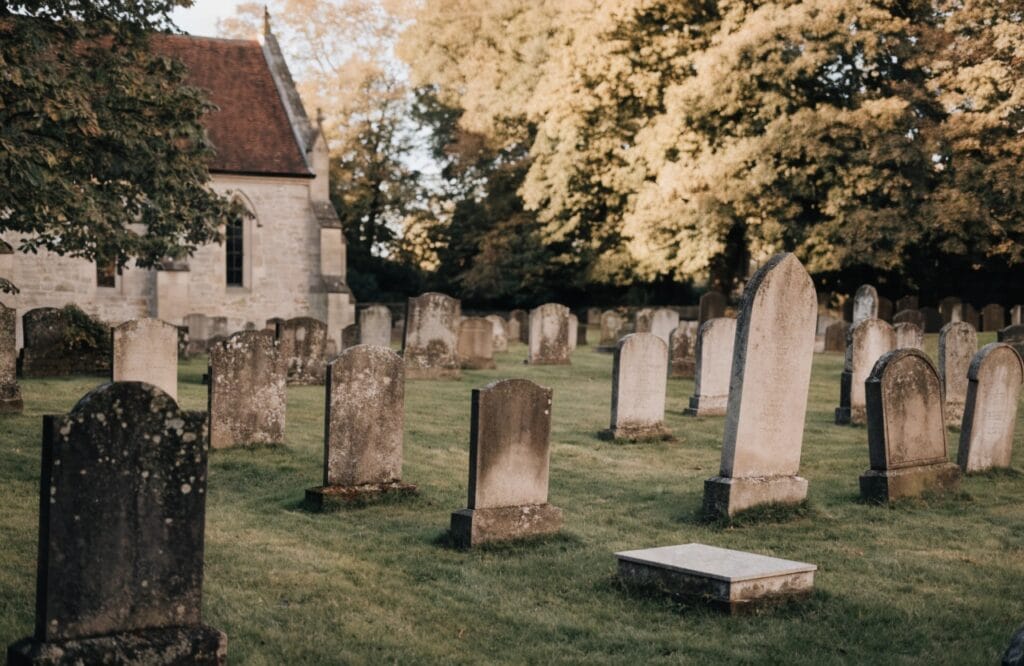
Church of England churchyards operate under a separate system of regulations from municipal cemeteries. Rather than applying to a local council, families must obtain consent from the parish priest or vicar, who acts under authority delegated by the Diocesan Chancellor. The process is known as applying for permission under the Churchyard Regulations.
Each diocese sets its own regulations, covering permitted materials, dimensions, designs, and inscriptions. These are not uniform across England: what is permitted in one diocese may not be in another. Common restrictions in churchyards include limits on polished black granite, prohibitions on photographic portraits on stones, restrictions on certain designs (open books, hearts, and other motifs are not permitted in many dioceses), and size limits on the memorial itself.
If the proposed memorial falls outside what the regulations permit, a faculty must be sought from the Diocesan Chancellor. This is a formal approval process that takes longer to complete. An experienced memorial mason familiar with the local diocese will be able to advise on what is and isn't likely to be approved before any stone is ordered.
The ground settlement principle applies equally in churchyards. The vicar or PCC will not approve installation on recently disturbed ground, and in practice the faculty application process itself takes time, meaning the timeline often aligns with the settlement period naturally.
Who Is Authorised to Erect a Headstone?
In a municipal cemetery, the right to erect a memorial belongs to the person named on the Deed of Grant (also called the Exclusive Right of Burial). This document is issued when a burial plot is purchased and gives the registered owner the legal right to authorise memorials and further burials in that grave.
Only the Deed of Grant holder can give written permission for a memorial mason to apply for a permit. The mason then submits the application to the cemetery authority, who checks that the proposed memorial meets their regulations and issues a permit before work begins.
What if the Deed of Grant holder has died?
If the original Deed of Grant holder has passed away, the Deed typically passes to their estate. In practice, this usually means it needs to be formally transferred to a named next of kin, registered at the cemetery office. The cemetery administration team can guide you through this process. It is worth sorting out promptly, as the installation cannot proceed until a valid authorisation exists.
Non-conformist and private burial grounds
Private cemeteries and non-conformist burial grounds (those not associated with the Church of England) have their own regulations and permit processes, which can vary considerably. Eco burial grounds, for example, may only permit biodegradable markers or low-impact natural stone. Always confirm the rules with the burial ground directly, or ask your memorial mason to do so on your behalf.
What You Can Do While You Wait
The waiting period before a headstone can be installed does not mean you have to put the memorial process on hold entirely. In fact, using the time productively often leads to a better outcome, both practically and emotionally.
Begin the design process
There is no reason to delay choosing a stone, design, and inscription. Visiting a memorial mason's workshop, looking at stone samples, and beginning to think about which material is right for the memorial are all steps that can happen immediately after the burial. Good stone often needs to be sourced and prepared in advance; starting early means the headstone is ready and waiting when the ground is. You might also find it helpful to look at what to write on a headstone and spend time considering the inscription carefully, without pressure.
Use a temporary marker
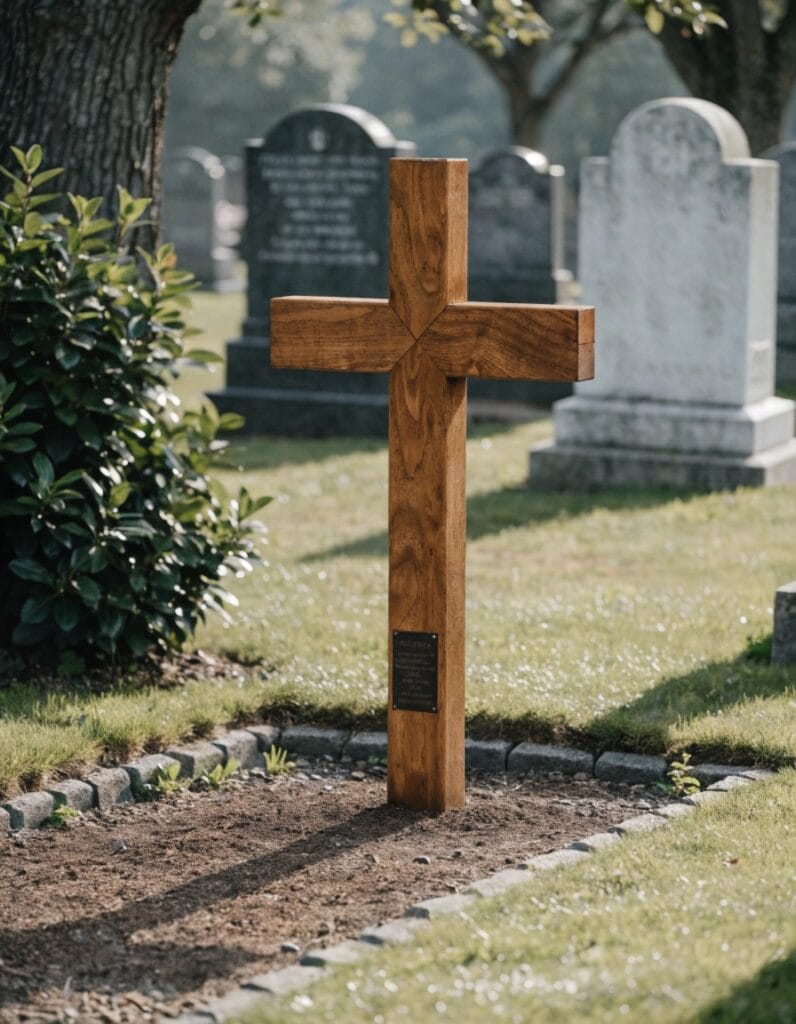
One of the things families find most difficult about the waiting period is that the grave can look bare and unmarked. A temporary grave marker is a simple, affordable way to address this. Common options include:
- Wooden crosses: oak or hardwood crosses with an engraved nameplate, typically available from funeral directors. These provide immediate, dignified identification of the grave.
- Engraved teak or oak markers: hardwood markers with a stainless steel plaque, designed to weather well and last through the settlement period.
- Floral tributes and personal items: subject to the burial ground's rules on what may be placed on the grave.
Most cemeteries allow a temporary wooden marker for up to twelve months following an interment, after which it must be removed once the permanent headstone is in place. Check with the burial ground before placing any temporary marker, as rules vary.
The waiting period can also feel like a time to pause, reflect, and be sure of the words you want inscribed. Many families find that decisions made several months after a bereavement feel more settled and more personal than those made in the immediate aftermath of loss. Whether you're considering epitaphs for headstones, memorial quotes, or a short and personal phrase, taking time is rarely something families regret.
Headstones and Memorials from Haven Memorials
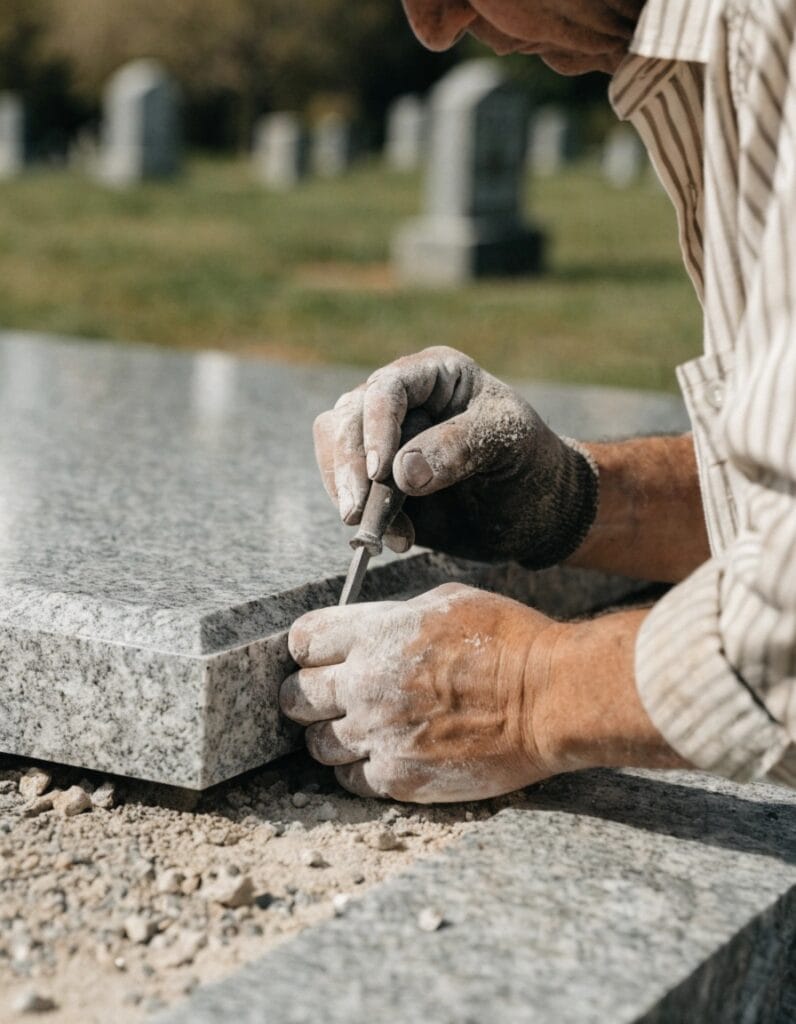
If you're in the early stages of thinking about a headstone for a loved one, Haven Memorials crafts bespoke memorials for families across North Hampshire, Berkshire, west Surrey, and Oxfordshire. We handle every stage of the process, from initial design and stone selection through to the cemetery or churchyard approval application and the installation itself.
Starting conversations with us early means we can advise on the right stone, confirm the burial ground's regulations, and have the memorial ready for installation as soon as the ground permits. There is no need to wait until the six-month mark to get in touch.
- Cemetery memorials — a range of styles and stones for local authority and private cemetery burials
- Churchyard memorials — designs crafted to meet Church of England and diocesan regulations
- Cremation memorials — for families choosing to inter cremated ashes
- Full-length kerb sets — traditional memorial designs covering the full grave
If you have questions about timing, the approval process, or would simply like to look at memorial designs without any obligation, we're here to help. Contact the Haven Memorials team whenever you're ready.
Frequently Asked Questions
How soon after a burial can I erect a headstone?
In most traditional UK cemeteries, the recommended minimum is six months, with twelve months being the safer choice for heavier memorials or clay ground. In modern cemeteries with concrete raft foundations already in place, it may be possible to erect an upright headstone much sooner. For cremated remains interments, there is generally no waiting period. Always check with the specific burial ground, as rules vary.
Why do I have to wait before installing a headstone?
When a coffin burial takes place, the grave is excavated and the soil is disturbed significantly. Air pockets form in the backfilled ground, and these compact over time through rainfall and gravity. If a headstone is placed on settling ground, it risks tilting or sinking. Waiting for ground settlement protects the long-term stability and appearance of the memorial.
Can I erect a headstone immediately if the cemetery has a concrete foundation?
In many cases, yes. Cemeteries where continuous concrete raft or beam foundations have been laid at the head of graves allow upright headstones to be erected very soon after burial, because the foundation sits on undisturbed ground. A full kerb set is still likely to require a longer wait. Your memorial mason can confirm the cemetery's specific arrangements.
How long do I have to wait to erect a headstone in a churchyard?
The same ground settlement principles apply in Church of England churchyards. In addition, you will need written approval from the parish priest under the Churchyard Regulations, and in some cases a faculty from the Diocesan Chancellor. Both the approval process and the settlement period mean that a wait of at least six to twelve months is typical. Your memorial mason can advise on the local diocesan requirements and handle the application on your behalf.
Who has the right to authorise a headstone on a grave?
In a municipal cemetery, only the person named on the Deed of Grant has the legal right to authorise the erection of a memorial. If the Deed of Grant holder has died, the Deed must be transferred to a named next of kin at the cemetery office before a new memorial can be installed.
What can I put on the grave while waiting for the headstone?
Most burial grounds allow a temporary wooden cross or similar marker for up to twelve months following a burial. Flowers and floral tributes are permitted in most cemeteries, subject to the burial ground's individual rules. A teak or hardwood grave marker with an engraved nameplate is another option if you want something more durable during the waiting period. Always confirm what is and isn't permitted with the specific burial ground.
Can I start designing the headstone before the waiting period is over?
Yes, and it's a good idea to do so. Visiting a memorial mason, selecting a stone, and working through the inscription and design can all happen at any point. Many masons prepare the stone well in advance so it is ready for installation as soon as the burial ground permits. Starting early removes any time pressure and allows inscription decisions to be made thoughtfully rather than in a rush.
Key Takeaways
- For most traditional coffin burials, wait at least six months before erecting an upright headstone; twelve months is preferable in clay ground or for larger memorials.
- Full kerb sets should wait a minimum of twelve months due to the weight they place across the whole grave area.
- Cemeteries with concrete raft or beam foundations often allow headstone installation much sooner, sometimes shortly after burial.
- Cremated remains interments generally carry no waiting period before a memorial can be erected.
- In Church of England churchyards, consent from the parish priest and compliance with diocesan regulations are required in addition to allowing for ground settlement.
- Only the Deed of Grant holder can authorise a headstone in a municipal cemetery; transfer of the Deed is needed if the original holder has died.
- The design, stone selection, and inscription process can begin immediately after a burial, regardless of when installation will take place.
Related Articles
- Choosing the best material for headstones — a guide to granite, marble, slate, and other stone types for UK memorials
- What to write on a headstone — practical guidance and examples for creating a meaningful inscription
- Epitaphs for headstones — a collection of traditional, contemporary, and personal epitaph examples
- Interment of cremation ashes guide — everything you need to know about interring ashes and choosing a cremation memorial
- Wording for memorials — ideas and examples for headstone inscriptions across different relationships and faiths